
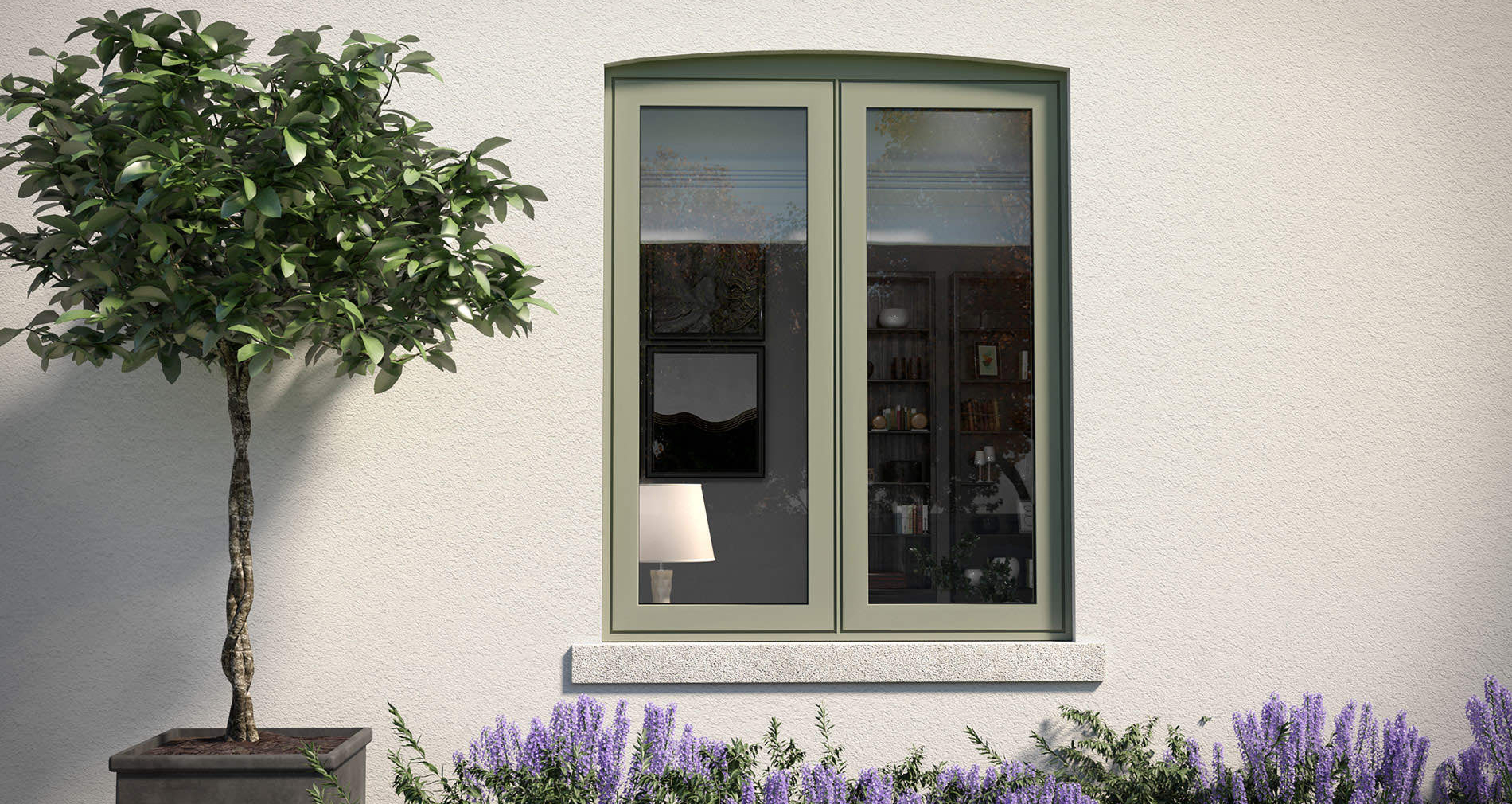
Flush Casement Windows
Flush Casement Windows That Do Justice to Your Home
A cleaner, more considered alternative to standard casements — sitting flush with the outer frame for a finish that suits both period properties and contemporary homes. FENSA registered, locally fitted across South Bucks and East Berkshire since 2003.
A more refined window profile
Most people cannot quite explain what makes a property look well considered. Flush casements are often part of the answer
A standard casement window sits proud of its outer frame — the sash protrudes slightly when the window is closed. A flush casement sits level with it. That difference of a few millimetres changes how the whole window reads: the sightlines are cleaner, the profile is flatter, and the elevation of the house looks more deliberate. On a period property, flush casements replicate the look of original timber windows far more faithfully than a standard casement ever could. On a new build or a well-designed extension, they give the facade a composed, considered quality that standard frames rarely achieve.
We fit flush casements regularly across South Buckinghamshire and East Berkshire — on Victorian and Edwardian properties in Windsor and Beaconsfield where the original character of the elevation matters, and on contemporary homes in Gerrards Cross and Ascot where the owners want a clean, uncluttered exterior. If you are not yet sure whether standard or flush casement is right for your home, we will give you an honest view during the site visit. Sometimes the difference is immediately obvious. Sometimes, for your property and your budget, a standard casement is the better call — and we will tell you that too.
Why it matters
What flush casement windows bring to your home
Appearance
A finish that reads as deliberate, not default
The flush profile is what separates a property that looks well maintained from one that looks considered. Across South Bucks and East Berkshire, where the housing stock includes everything from Victorian terraces to architect-designed contemporary homes, the choice of window profile has a disproportionate effect on how the whole exterior reads. Flush casements consistently produce a more resolved result.
Authenticity
The closest modern window to original timber
For period properties — Victorian, Edwardian, interwar — the original windows were flush-framed timber. A standard casement does not replicate that. A flush casement, particularly in a woodgrain uPVC finish or slim aluminium, comes far closer. For homeowners in conservation areas or with listed buildings, this distinction matters both aesthetically and, in some cases, practically.
Performance
The same thermal and security credentials as any casement
The flush profile does not compromise performance. A-rated double glazing, multi-point locking, and steel-reinforced frames are all standard. The compression seal that the sash closes against is inherently airtight — flush casements are among the most thermally efficient window types available, and the security credentials are equivalent to any modern casement.
Value
An investment that improves the property, not just the windows
Correctly specified flush casements on the right property add more than the cost of the windows to its value. Buyers and valuers in this part of South Bucks and East Berkshire respond to properties where the detail has been considered. New energy-efficient glazing also improves the EPC rating, which is increasingly factored into purchase decisions.
Our work
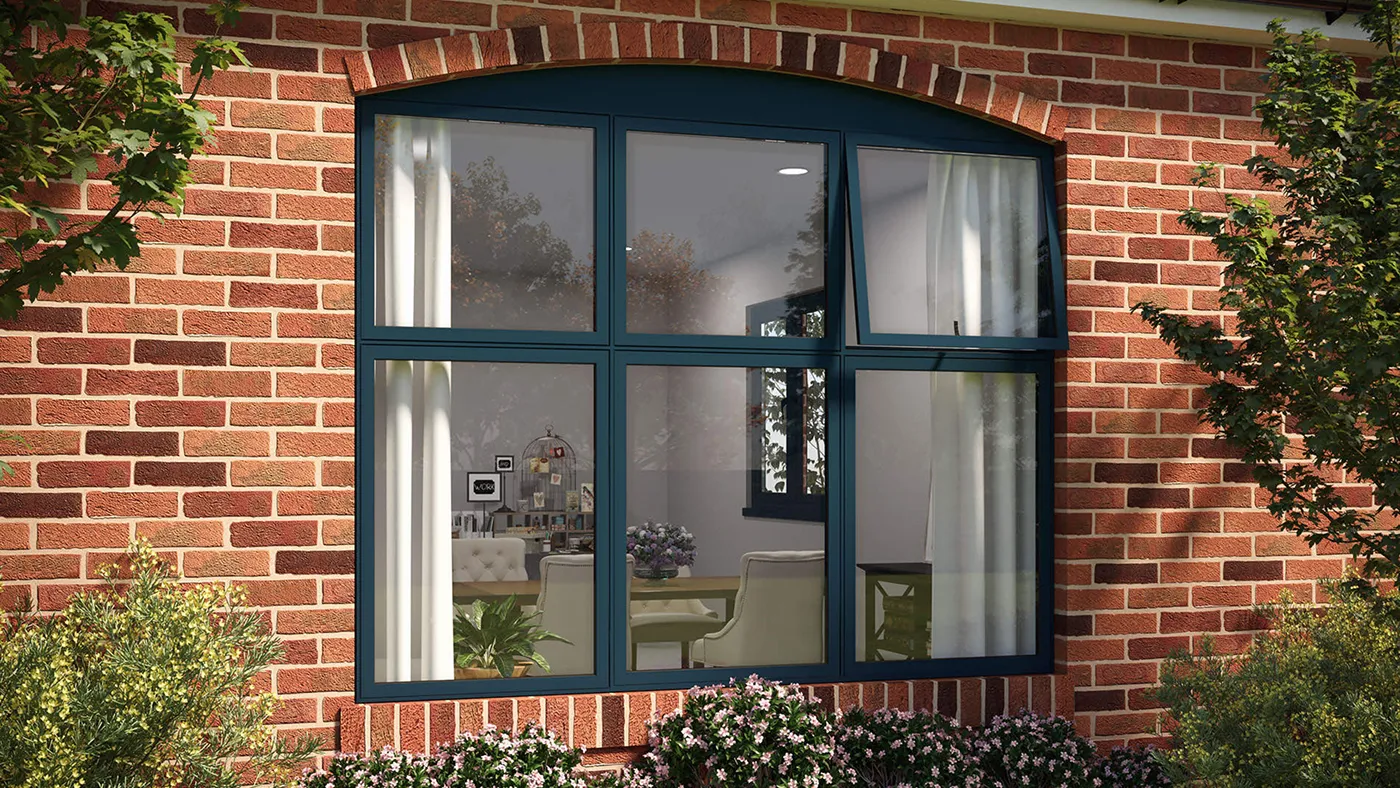
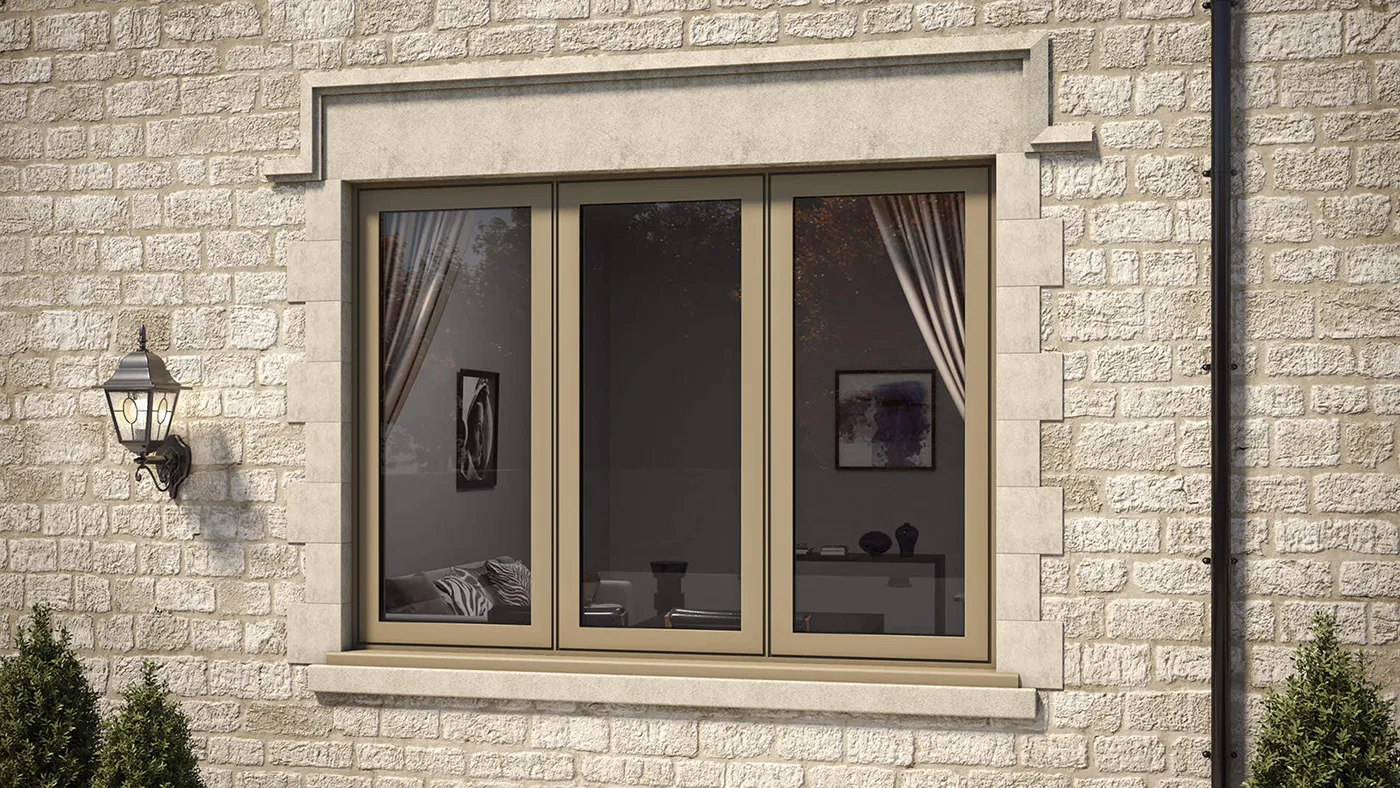
Flush casement windows fitted across South Bucks and East Berkshire
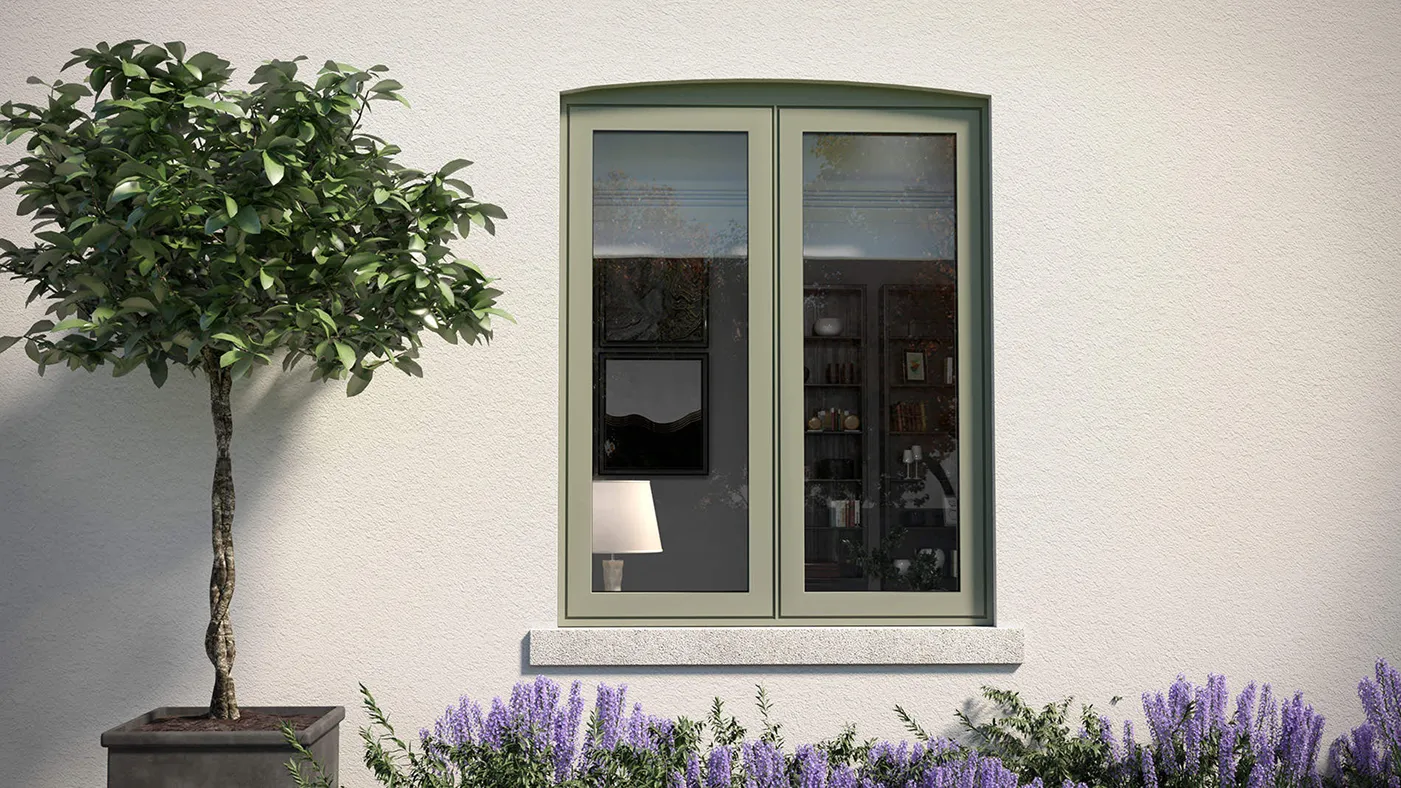
Sage green flush casement windows
01 / 03Your options
uPVC or Aluminium — and what that means for a flush casement
The flush profile is available in both uPVC and aluminium. The choice between them affects the frame thickness, the colour options, and the overall feel of the finished window. Both materials are available with the full range of colour and glass choices.
Most Popular
uPVC Flush Casement Windows
Modern uPVC flush casements have come a long way from the thick-framed windows of an earlier generation. The profiles are now slim enough to replicate the sightlines of original timber windows convincingly — which is why they are frequently specified in conservation areas and on period properties where authentic appearance is important. uPVC requires no painting, no staining, and no seasonal adjustment. It performs well thermally, handles the British climate reliably, and is available in a wide range of colours including woodgrain foils that read as timber at normal viewing distance. For most homes in South Bucks and East Berkshire, uPVC flush casements deliver the look of a premium window at a price that makes the decision straightforward.
Best for
Premium Choice
Aluminium Flush Casement Windows
Aluminium flush casements are the specification choice for homeowners who want the absolute best combination of slim sightlines, long-term durability, and a finish that will not date. The material is inherently stronger than uPVC, which means frames can be made even slimmer for a given span — maximising the glass area and the quality of light coming into the room. The powder-coated finish is applied in the factory and holds its colour far longer than any painted surface. For a well-appointed property in Gerrards Cross, Ascot, or Beaconsfield, aluminium flush casements are the window that completes the exterior rather than compromising it.
Best for
Your windows, your way
The details that make the difference
With flush casements, the specification choices matter more than with most window styles — because the whole point is a considered, cohesive result. We go through all of these decisions with you during the site visit, with samples to hand. Nothing needs to be decided beforehand.
01
Colour
Colour is where flush casements earn their reputation. The flat profile and clean sightlines mean a colour choice reads more clearly across the whole elevation than it would on a standard casement. For period properties, the most common choices are Chartwell Green, Cream, Anthracite Grey, and woodgrain finishes that replicate the look of painted timber. For contemporary properties, Black and Anthracite Grey work particularly well because the slimness of the frame and the depth of colour together create a very composed exterior. Dual-colour options — a neutral or white on the inside, a statement colour on the outside — are increasingly popular and work well in both contexts. We bring a full colour range to every visit.
Practical note
If you are replacing windows that were originally timber, matching the original colour accurately matters. We can advise on the closest available finish to whatever was there before.
02
Glass
All flush casements we fit include A-rated double glazing as standard. The glass specification can be tailored to the position and use of each window. Acoustic glass is worth considering for any elevation facing a road or railway line — the noise reduction is meaningful, not marginal. Obscure and privacy glass for bathrooms, side returns, and ground floor windows maintains natural light while removing the view from outside. Decorative glass — leaded lights, Georgian bar, or period-appropriate frosted patterns — is frequently specified on period properties where matching the character of the original window is part of the brief.
Practical note
Because flush casements are often chosen for their appearance as much as their performance, we take care to advise on glass options that complement the frame rather than conflict with it.
03
Hardware
On a flush casement, hardware is more visible than on a standard window — because the clean, flat profile draws the eye to the detail. The handle and any visible fittings should be chosen to complement the frame colour and the character of the property. For period properties, traditional peg stays and monkey tail handles in black or antique brass suit the style far better than a modern inline handle. For contemporary properties, slim inline handles in brushed chrome, black, or brushed steel keep the look understated. We go through the right hardware choice for each opening during the visit rather than applying a default specification.
Practical note
All hardware meets current British security standards. On a flush casement, the compression seal that the sash closes against also contributes to the security of the window — correctly fitted, it is a more secure closure than a standard casement.
04
Glazing bars and features
Flush casements lend themselves particularly well to internal glazing bars — slim bars bonded between the panes of glass that give the appearance of traditional divided lights without compromising the thermal performance of the sealed unit. On a period property, this is often what brings the window closest to the look of the original. Georgian bar and astragal bar patterns are the most common configurations. On a contemporary property, a clean uninterrupted pane is usually the right call. We will advise on which approach works best for your property's architecture.
Practical note
Glazing bars are bonded to the inside of the sealed unit — they require no maintenance and will not collect condensation between the bar and the glass.
Reviews
What your neighbours are saying
Real reviews from homeowners across South Bucks and East Berkshire. Every one verified through Google.
We couldn't be more happier with your lovely work men who were very polite and helpful. We will call again one day x
Mrs Ryan
Hayes
We were very happy with the service we received. We understand the delays were out of your control. The guys who came to fit the windows were really nice and efficient. Joe has been lovely from start to finish on this job! Alpha Windows has given us the best level service from all the window companies that we spoke to. The other companies had poor service and one of them was quite rude. So overall, we can't complain and are happy we went with Alpha windows!
Mr & Mrs Hussain
Stoke Poges
I should have posted this 4 years ago when I had my windows done but was lazy extremely happy with all my windows & front door. I wanted to check something’s. Amazing customer service from Victoria! & Joe came round the next day after 4 years! Cannot recommend Alpha enough! Only company I will be using. Thanks all at Alpha.
Tim Davis
Iver
We have been regular customers of Alpha Windows for some time and have always found them professional and easy to deal with. Visits for quotes are arranged swiftly and quotes are received promptly too. The fitting team are always very helpful, do a good job and leave the premises clean and tidy.
Hannah Graves
Gerrards Cross
It has been a total pleasure to work with you all over the last couple of months. Since the drama with Ridgwell we were worried about trusting another company but from the first contact with you via phone and seeing you face to face in the showroom we were put at ease. You were so friendly and listened to our needs and worries and helped us chose what was right for us.
Claire
Iver
From the initial engagement right through to the installation, Alpha Windows have been outstanding. Every question I had was answered promptly and clearly, and they were extremely helpful in accommodating my requested design. The pricing was very competitive, and the final product exceeded my expectations — the door and surrounds are absolutely beautiful.
Nicola
Gerrards Cross
Common questions
What homeowners ask us about flush casement windows
-
On a standard casement, the window sash sits proud of the outer frame — it protrudes slightly when closed, creating a visible step between the sash and the surrounding frame. On a flush casement, the sash sits level with the outer frame, so the window face is completely flat. The difference is subtle in description but immediately visible on a building. Flush casements produce cleaner sightlines, a flatter profile, and an overall appearance that reads as more considered — particularly on period properties and well-designed contemporary homes.
-
They are often the best choice. Original timber windows on Victorian and Edwardian properties were flush-framed, so a flush casement replicates that profile far more faithfully than a standard casement. In uPVC woodgrain finishes or slim aluminium, a flush casement can be difficult to distinguish from restored timber at normal viewing distance. For properties in conservation areas across Windsor, Beaconsfield, and parts of Gerrards Cross, this matters both aesthetically and sometimes practically when it comes to planning requirements.
-
Yes, and increasingly so. Flush casements in Anthracite Grey or Black aluminium are a popular choice for contemporary extensions and new builds precisely because the flat profile and slim sightlines complement modern architecture without adding visual noise. The absence of the protruding sash means the glazed area reads as a more considered part of the facade rather than something added to it.
-
Generally yes, though the difference varies depending on the material and specification. The more precise manufacturing tolerances required for a flush profile add to the cost compared with a standard casement. For most homeowners who choose flush casements, the decision is driven by the appearance they want to achieve — the additional investment is proportionate to the result. We will give you a clear quote for both options if you want to compare.
-
Flush casements are often the window style most likely to satisfy conservation area requirements, precisely because the flush profile more closely replicates original timber windows. In most cases, like-for-like replacement in a conservation area does not require planning permission. Where specific requirements apply — particular profiles, colours, or glazing bar configurations — we know what local planning authorities across Windsor, Beaconsfield, and Gerrards Cross typically expect and will advise you correctly before anything is agreed.
-
The most reliable signs are condensation or fogging between the panes, which means the sealed unit has failed; noticeable draughts when the window is fully closed; frames that have become difficult to open or close; and glass that feels cold to the touch on a dry day. If your double glazing is more than 20 years old it is worth having it assessed regardless. If you are not sure, get in touch and we will visit and give you a straight answer.
-
A single window typically takes two to three hours. A full house replacement is usually completed within one to two days. We will give you a clear timeframe in your written quote before any work begins.
-
Yes. We bring a full range of samples to every home visit — frame colours including woodgrain foils, glass specifications, hardware finishes, and glazing bar options. For flush casements in particular, seeing the colour and profile options against your actual property makes a significant difference to the decision. Brochure images rarely capture how a colour reads on a real building in natural light.
-
For most window and door replacements, no. Like-for-like replacements fall under permitted development rights and require no planning permission. If your property is in a conservation area — parts of Windsor and Beaconsfield Old Town, for example — or if it's listed, there may be restrictions on colour, style, or material. We know the local areas well and will flag anything relevant during your visit.
-
Yes. FENSA registration means every installation we complete is certified to meet current building regulations, and the work is registered with your local authority automatically. This is important if you ever sell your home — solicitors will ask for it. You don't need to do anything; we handle the registration on your behalf.
-
Our installations come with a 10-year guarantee as standard, covering both frames and sealed glazing units. Combined with FENSA registration and our full public liability insurance, you're protected throughout the installation and long after completion.
-
Yes. We remove all old frames and glass and dispose of them responsibly. We also leave your home clean and tidy at the end of every job — it's part of how we work, not an optional extra.
-
We don't consider a job complete until you're satisfied. If something isn't right, tell us and we'll fix it. Our reputation in South Bucks has been built over 20 years — we have every reason to make sure you're happy.
The process
What happens from first contact to finished installation
Get in touch
Tell us what you are thinking
Fill in the short form below or give us a call on 01753 663663. There is no obligation and no sales process triggered by making contact — just let us know what you are considering and we will take it from there.
We visit your home
A proper look at your property
We visit at a time that suits you — usually within a few days. We measure every opening, assess what is there, and talk through your options honestly. We bring samples so decisions can be made against your actual property in natural light.
Your written quote
Clear costs, no surprises
We follow up with a written quote that covers everything involved. No hidden charges, no items that appear later. There is no pressure to decide on the day and no uninvited follow-up calls. You take as long as you need.
Installation
Done properly, left tidy
Our fitters work through each opening one at a time so your home is never left exposed. Furniture and flooring are protected throughout. Old frames are removed and disposed of. Before we leave, everything is tested and you are walked through the result.
Free no-obligation quote
Get a free quote for your flush casement windows
Tell us about your property and what you are looking to achieve. We will be in touch within one working day to arrange a visit at a time that suits you. No obligation, no automated calls — just an honest conversation.
What to expect
No pressure, no obligation
We'll never chase you or push for a decision on the day.
We visit your home personally
Every property is different — we measure properly before quoting.
Clear, itemised quote — no hidden costs
A written quote with everything included. Take as long as you need.
Your details stay private
We'll never share your details or add you to a mailing list.